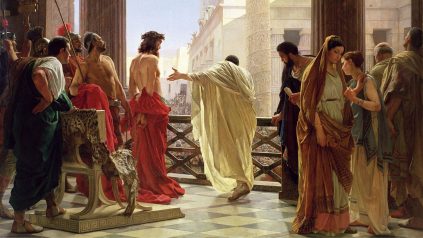
When Christians today take up the task of spreading the Gospel, they will encounter a problem. How can the Gospel be preached to a world that claims to already know that there is no God and that faith is unreasonable? Here are five things to bear in mind when trying to share the Gospel in a post-modern world.
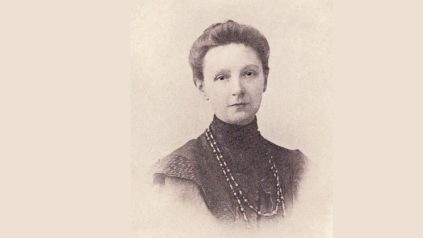
Elisabeth Leseur's life was marked by adversity and moments of sorrow. Her husband had not only lost his faith but actively sought to destroy hers. Despite these challenges, Elisabeth steadfastly maintained her love for her husband and prayed ardently for him. In this blog, learn about the Servant of God who converted her husband posthumously through her secret spiritual diary.
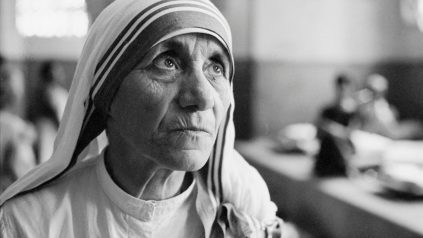
On the Day of the Great Killing in 1946, the streets of Calcutta literally ran red with blood. There were no shops open or deliveries of food or goods. And yet Mother Teresa had 300 boarding school girls to feed. Discover the story of how Mother Teresa ventured out into the dangerous streets to feed her students, at great risk to her own safety.
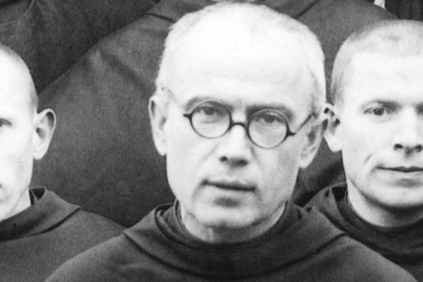
Auschwitz, 1941. Amidst the great hate of the Nazi death camp, one man managed - for a brief moment - to turn the camp into "a city of love" with his heroic sacrifice. This is the legacy of St Maximilian Kolbe.
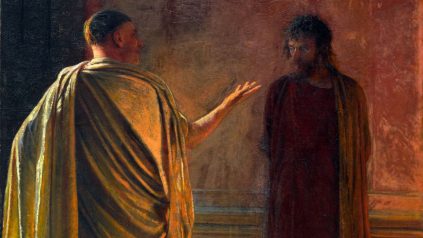
Read the second chapter of our thought-provoking book What is Truth?. Intended as an apologetic foundation for anyone attempting to evangelise a postmodern neighbour, What is Truth? explains that to share the joy of the Gospel today, men and women must rediscover that it is possible to know objective truth about ourselves and the world around us.
When trials of any kind enter our lives, we often lose the peace of mind that we had so long sought and built up in our relationships with others. How then can we rediscover that peace, even amidst trials? Fr Bernard Ducruet offers advice based on the wisdom of St Benedict.